
Don’t Settle: How To Fix A Settling Foundation
A stable foundation is the cornerstone of your home’s integrity, yet it’s at risk from the very ground it rests upon. Excessive hydrostatic pressure and soil shifts can compromise your foundation, leading to settling and sinking that threatens your home’s structure and safety.
This article will teach you how to identify and address the risks of excessive hydrostatic pressure and soil shifts that threaten your home’s foundation stability and safety.
What Is Foundation Settling?
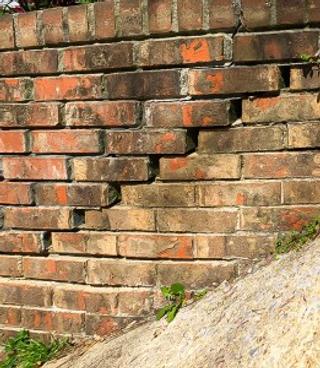
Foundation settling isn’t a random occurrence nor the strange sounds your home makes in the middle of the night.
It’s a process driven by the soil’s movement under your home, exacerbated by conditions like Florida’s rainfall patterns. Soil expansion and contraction can create voids that, if not quickly filled, encourage your foundation to descend. This settling, if neglected, can escalate from a minor adjustment to severe sinking, inviting further damage, such as foundation cracks and leaks due to the relentless hydrostatic pressure.
Recognizing the Signs of Foundation Settling
Most settling foundations do give themselves away. There are several signs of sinking you can look out for if you suspect something’s wrong in your home. Some of the most common signs of settling include:
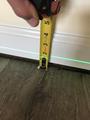
- Bowing walls
- Shifting floors
- Gaps near the joints of your foundation
- Sticking doors
- Foggy windows
- Water damage that’s impacted your belongings, carpet, or furniture
- Mold
Unfortunately, some homeowners may not catch these signs quickly enough. The longer you let your foundation sink without checking on its overall structural integrity, the more likely it is that you’ll start to see signs of damage outside of your home. The most common types of external damage to your foundation that home sinking can cause include:
- Vertical wall cracks
- Horizontal foundation cracks
- Disrupted landscaping
If you notice any of these issues, you’ll want to get in touch with one of the professionals in the Orlando, FL, area to determine what precisely is going on with your foundation and how best you can deal with the problem at hand.
How to Prevent Foundation Settling
Luckily, you can take steps to keep your home from settling before damage starts to settle in. Ideally, you’ll want a professional to inspect your home to determine what your weak points are and what repair measures may suit you best. There are different types of foundation repair such as piers, crawl space supports, and wall repair solutions that you’ll be able to take advantage of.
That said, there are some steps that benefit all homes. These include:
- Dampen your lawn – You might think that watering your lawn would make the hydrostatic pressure in the area worse. This isn’t actually the case. If your lawn goes too long without water, the dirt particles around your home will start to shrink. These smaller particles won’t be able to take in as much water when it rains as they otherwise would. As a result, more rainwater will reach your foundation. Your foundation will also be more likely to shift, given the unstable nature of your soil. If you water your lawn, comparatively, your soil will stay healthy and will be able to take in rainwater at a reasonable rate.
- Keep an eye on your landscaping – The trees and hedges you plant near your home may look beautiful, but they’re not always foundation-friendly. Many species of trees and hedges, in fact, have invasive root systems. While these root systems won’t physically dig away at your foundation, they will cause the soil around your home to shift more frequently. In most cases, you’ll want to plant larger trees and hedges at least 20 feet away from the perimeter of your home.
- Clean your gutters – Your gutters and downspouts work together to keep water away from the perimeter of your home. If you don’t clean your gutters regularly, that rainwater can plummet straight down the sides of your home. It’s much easier for that runoff to reach your foundation and cause hydrostatic pressure to build up, thus all the more reason to try and keep your gutters clean.
- Waterproofing your foundation – Finally, you always have the option of waterproofing your home. Most waterproofing measures help you create a hydrophobic barrier between your home and your yard. Others, like dehumidifiers, draw moisture out of the air before it can start to negatively impact your foundation. When you have these measures in place prior to signs of sinking, you’ll guarantee your home a healthier life than the one it would lead without them.
Protect Your Home with Alpha Foundations
Don’t let foundation settling undermine your home’s stability and safety. Alpha Foundations provides expert evaluations and tailored solutions to counteract settling and sinking. Contact us today to schedule your free home inspection and receive a complimentary quote, ensuring your foundation remains as steadfast as the day your home was built.

Ted Dryce
Publish Date:
Last Modified Date:
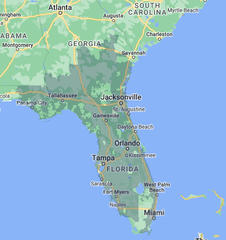
Our Locations
1755 Benchmark Ave.
Fort Myers, FL 33905
309 NE 1st St.
Gainesville, FL 32601
55 North Industrial Loop
Orange Park, FL 32073
3200 W Copans Rd.
Pompano Beach, FL 33069
3723 Hogshead Rd
Apopka, FL 32703
66 Industrial Park Dr.
Monticello, FL 32344
1615 118th Ave. N
St. Petersburg, FL 33716
100 N Patterson St.
Valdosta, GA 31601
515 N Flagler Dr.
Ste. P-300
West Palm Beach, FL 33401