
The Ultimate Guide to Seawall Repair in Florida
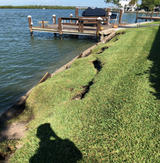
Florida’s seawalls endure constant stress from tides, saltwater, and storms. Even the strongest eventually crack or weaken.
This guide explains common seawall problems, how to identify early warning signs, and the repair methods that restore strength and stability. By staying informed, you can safeguard your property and maintain safe waterfront access.
- Why is Seawall Repair Important in Florida?
- What is the Life Expectancy of a Seawall?
- Why Do Seawalls Fail?
- Common Warning Signs of Seawall Damage
- When to Call a Seawall Repair Professional
- How Do You DIY Repair a Seawall?
- Seawall Crack Repair: Step-by-Step Process
- How to Prevent Seawall Cracks and Damage
- Schedule a Free Seawall Inspection with Alpha Foundations
Why is Seawall Repair Important in Florida?
Seawall repair in Florida is essential due to the state’s harsh coastal conditions, including saltwater corrosion, hurricane-force winds, and constant tidal pressure. When seawalls fail, waterfront properties face immediate threats from soil erosion, flooding, and structural damage that can compromise foundations. Regular maintenance and timely repairs preserve the barrier between land and water, which protects property values, prevents soil loss, and ensures safe access to docks and waterfront amenities throughout Florida’s coastal environment.
What is the Life Expectancy of a Seawall?
Seawall life expectancy varies depending on the type of construction material, the quality of installation, and the environmental conditions. In Florida, concrete seawalls typically last over 30 years, while vinyl sheet pile walls and steel seawall lifespans range from 20 to over 40 years, provided they are properly maintained and coated. Regular maintenance can significantly extend these lifespans.
Why Do Seawalls Fail?
Seawalls fail due to a combination of environmental stressors, material degradation, and structural pressures that gradually compromise their integrity over time. Florida’s coastal conditions create circumstances where saltwater exposure, extreme weather events, and constant pressure changes make seawall deterioration inevitable without proper maintenance. Several factors contribute to seawall failure in Florida.
Natural Factors Influencing Seawall Damage in Florida
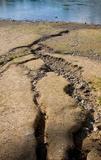
Man-Made Factors Contributing to Seawall Failure
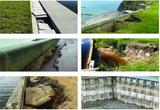
While cracks are obvious signs of seawall damage, identifying the underlying causes often requires professional expertise and specialized diagnostic tools. Professional seawall inspections evaluate structural integrity and the natural and man-made factors influencing your property’s seawall to determine the most effective long-term repair strategy.
Common Warning Signs of Seawall Damage
Identifying the early warning signs of seawall damage can help prevent further damage and major repairs. During routine inspections, look for these problem signs:
When to Call a Seawall Repair Professional

Severe damage, such as large cracks, soil erosion behind the wall, or bowing, typically requires professional solutions. In Florida, foundation repair specialists and marine contractors utilize advanced techniques to restore the long-term structural integrity of seawalls.
Professional Seawall Repair Methods
Professional seawall repairs provide longer-term relief from damage by addressing the underlying structural issues. These methods are designed to stabilize the wall, reduce ongoing stress, and extend its lifespan.
Deep Renewal Injection for Seawall Cracks
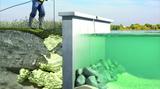
Deep Renewal Injection is one of the most effective and non-invasive methods for addressing seawall cracks with active water intrusion or soil erosion behind the wall. The specialized two-component liquid system is injected horizontally and vertically, where it expands to seal cracks, block water flow, and compact surrounding soils. Homeowners benefit from the quick installation and minimal property disruption, as most jobs are completed in a single day. The process creates a strong, flexible seal that withstands Florida’s tidal conditions.
Helical Tie-Back Systems for Seawalls
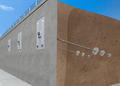
Helical tie-backs provide reinforcement for leaning and bowing seawalls in certain circumstances. These steel anchors are drilled deep into stable soil behind the wall, then connected with heavy-duty brackets to transfer pressure away from the weakened structure. This restores alignment and prevents further movement, making it ideal for seawalls under heavy tidal or soil pressure. The system provides a durable, long-term solution that significantly enhances structural integrity when combined with deep renewal injection.
Soil Stabilization and Drainage Systems
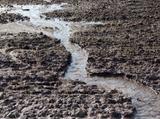
Soil erosion and hydrostatic pressure are among the most common causes of seawall failure in Florida. Professionals address these issues through soil stabilization and improved drainage, which reduces pressure behind the wall and prevents void formation. This solution is best suited for seawalls exhibiting signs of soil washout, sinkholes, or water accumulation behind the structure. The benefits include longer-lasting protection and prevention of future cracks.
How Do You DIY Repair a Seawall?
Seawall repair methods vary and heavily rely on the type of damage, wall material, and water conditions. Addressing the underlying cause, such as expansive soils, erosion, or hydrostatic pressure, is vital for ensuring a long-term fix. Some property owners seek DIY seawall repair options. While we do not recommend DIY solutions for long-term repair, the following may provide some temporary relief.
Repair Method
Best For
Pros & Cons
What Tools and Materials Are Needed for DIY Seawall Repair?
Many minor DIY seawall crack repairs require the following tools and materials:
Having the necessary tools and materials ensures an efficient DIY repair process.
Seawall Crack Repair: Step-by-Step Process
Always follow the manufacturer’s instructions. Typical DIY seawall repairs involve the following:
How to Prevent Seawall Cracks and Damage
Regular upkeep is essential to keep Florida seawalls strong against tides, storms, and saltwater. Property owners can protect their investment by:
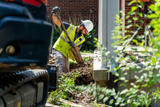
Preventive care helps save money and ensures your property remains safe during Florida’s storm seasons. Since no single repair method works for every seawall, addressing both visible cracks and underlying issues, such as erosion, hydrostatic pressure, or soil settlement, extends the seawall’s life and helps avoid expensive emergency repairs.
Schedule a Free Seawall Inspection with Alpha Foundations
Successful seawall care relies on knowledge and timing. When you understand what causes damage, select the right repair approach, and remain consistent with maintenance, you can protect your waterfront property from erosion and flooding issues. Whether addressing cracks or major structural concerns, proactive seawall management preserves your Florida coastline investment for the long term.
Ready to protect your waterfront investment? Contact Alpha Foundations for a free seawall assessment. Our certified inspectors will evaluate your property’s specific conditions and recommend the best solutions to keep your seawall strong and secure.
Seawall Repair FAQs
Poly foam fills voids and re-compacts soil behind the wall, creating even support. This reduces pressure points that cause panels to crack or bow.
Polyurethane foam is water-resistant and durable, often lasting decades without breaking down.
Seawall costs vary and are typically based on the wall’s length, height, material type, and the site conditions. Foundation repair experts provide inspections and provide cost estimates based on your unique property.

Groundworks
Publish Date:
Last Modified Date:
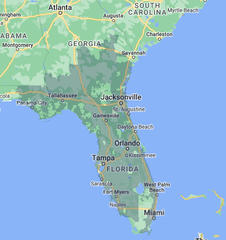
Our Locations
1755 Benchmark Ave.
Fort Myers, FL 33905
55 North Industrial Loop
Orange Park, FL 32073
3200 W Copans Rd.
Pompano Beach, FL 33069
3723 Hogshead Rd
Apopka, FL 32703
66 Industrial Park Dr.
Monticello, FL 32344
1615 118th Ave. N
St. Petersburg, FL 33716
515 N Flagler Dr.
Ste. P-300
West Palm Beach, FL 33401