
What You Need to Know About Florida’s Soil

Soil is one of the most important components of life itself. Many aspects of our lives depend on it, including agriculture, construction, and water drainage. In fact, your entire home (including the foundation and other concrete structures) depends on soil for support.
For that reason, it’s important to understand Florida’s different soil types. That way, no matter where you live in the state, you can know how external factors like weather or construction will impact the soil in your yard.
An Overview of Florida’s Soil
Over 300 different kinds of soil are found in Florida. Almost all these soils share similar characteristics like poor drainage and sandy deposits.
While the average homeowner isn’t expected to know every single type of soil in Florida, it’s beneficial to know the basic soil composition in your region.
Common Composition
Largely, soils across Florida are made up of sand, peat, clay, sandy loam, and muck. There are six generally defined soil regions in Florida – look to see your soil region:
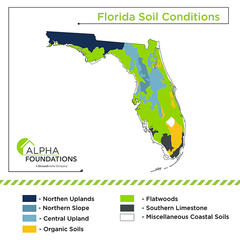
- Northern upland soils (Panhandle)
- Northern slope soils (just south of the Panhandle)
- Central upland soils (Central Florida and westward of the Apalachicola River)
- Organic soils (Lake Okeechobee-Everglades basin)
- Flatwood lowland soils (coastal lowlands)
- Southern limestone soils (Kissimmee Valley, Big Cypress Swamp, Miami-Homestead area)
- Miscellaneous coastal soils (along certain coastal regions across FL)
Generally speaking, North Florida normally has soils with more clay which allows the soil to retain more water.
Central Florida soil is usually quite sandy and is easily eroded.
South Florida soils are mostly made of limestone and don’t retain water well, making it difficult to grow plants.
On the pH Scale
Your soil’s pH controls whether certain plant nutrients become more or less available. Put simply, it has an impact on whether certain foliage is able to thrive in your yard.
In Florida, the median pH of soil throughout the state is 6.1, which is slightly acidic. Generally, most Florida soils do not rise above 7 on the pH scale, which means the majority of soils in the state are acidic.
Florida Soil Types Explained
Because there are so many different kinds of soil in Florida, it’s impossible to cover them all. But let’s take a look at three of the most prominent soils in our state for even more in-depth information on Florida’s soil.
1. Myakka Fine Sand
Myakka is Florida’s official state soil. It covers the majority of the state (over 1 ½ million acres) and is characterized by its poorly drained and rapidly permeable properties.
Naturally, native plants like Saw Palmettos, Slash pines, and Lopsided Indiangrass grow in Myakka. With modern water control, other crops like watermelons, cucumbers, and tomatoes can thrive in Myakka.
2. Pine Flatwoods
Pine Flatwood soils cover about 50% of Florida’s area. They are sandy, poorly draining, and are characterized by a strong concentration of pine trees and vast shrub growth.
In North Florida, flatwoods are typically open woodlands with many pine trees and support the timber industry. In South Florida, flatwoods are more akin to savannas and are used more for cattle grazing.
3. Miami Limestone
Miami Limestone is found mostly in the Southeast region of Florida. It is made up of ooids (small, spherical deposits of calcium carbonate), quartz sand, and mollusk fossils.
Much like other soils in Florida, Miami limestone drains water quickly, and it doesn’t retain moisture very well. As a result, crop growth and construction are difficult on this type of soil.
Challenges for Building and Repairing Concrete
In Florida, building or repairing concrete can be challenging for a few reasons. We’ll quickly outline a few here, and the best soil to build concrete structures on.
Draining Water
When digging into the soil below your concrete, it’s inevitable to hit water around 16-35 feet deep. This is especially true in Florida with aquifers just below the surface and low elevation throughout the state.
As you can see, working with concrete requires getting below the soil. Constant drainage may be needed when working with concrete in any capacity to help mitigate soil washout in the future.
Hydrostatic Pressure
Since groundwater is often close to the surface in Florida, hydrostatic pressure is a huge factor for concrete damage. With proper drainage tools, contractors can prevent water from pushing against your concrete structures and causing cracks.
Corrosive Groundwater
Since Florida’s soil is more acidic, groundwater near your concrete has the same properties. This gives it the potential to break down concrete over time and cause sinking, uneven slabs.
What is the Best Soil for Building Concrete?
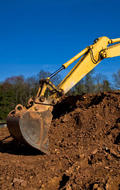
There really isn’t one best soil to build concrete on. Every soil type has pros and cons when it comes to concrete construction and maintenance. For instance, sandy soils in Florida don’t retain a lot of water, which is a good thing for your concrete because water will not easily build up around your concrete and cause damage. However, sandy soils bring other concerns like easy erosion.
Clay soils are more prevalent in the Panhandle of Florida. While these soils provide strong support for your concrete, they expand in size when exposed to water. These expansive properties may cause concrete damage in the future. Sandy loam soil might be considered the “Goldilocks soil” because it has properties of both sandy and clay soil. It has a strong structure which works well for your concrete, and it doesn’t expand in size. However, sandy loam can be eroded by heavy rain, which is prevalent in Florida.
Soil Washout: Red Flags to Look For
Soil erosion happens when soil wears away because of factors like water, wind, and soil type. In regions with lots of sandy soil and heavy rainfall, like Florida and Georgia, soil can erode quickly, weakening the ground under concrete surfaces. This often leads to sinking, cracking, and other damage.
Knowing the signs of soil washout can help you avoid costly repairs later. Watch for these warning signs on your property:
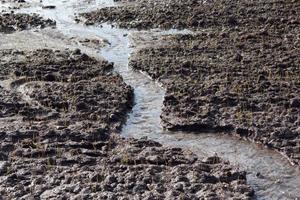
- Exposed Roots: Erosion can reveal the roots of trees or plants near concrete.
- Problems in the Garden: Soil movement can disrupt landscaping and gardens.
- Exposed Foundation: When soil washes away, your home’s foundation may become visible.
- Sinking Exterior Steps: Exterior steps may start to sink or tilt.
- Sinking Driveway or Patio: Driveways and patios can start to crack as soil washes away.
Coastal Erosion
Something else to consider when it comes to your concrete is coastal erosion. If your home is located on Florida’s coast, there is always the possibility of water damage brought on by high tide or hurricanes.
Since our state averages 54 inches of rain every year, and is always at risk during hurricane season, water damage is one of the biggest hazards to your concrete. We know living on the coast is one of the great benefits of living in Florida.
Finding concrete professionals who understand these risks and can help keep your coastal home protected is key. When you work with Alpha, you receive expert knowledge about concrete leveling and best practices from a team that knows our state.
Call Florida’s Concrete Leveling Experts
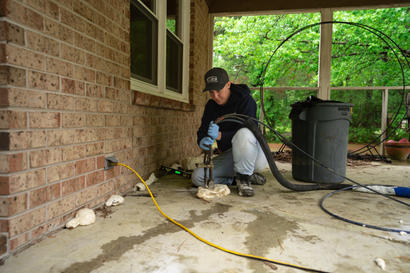
At Alpha Foundations, we want to help you make the best possible choice for your home, and that’s why we offer the best, most timely concrete repair service in Florida. If you have any questions about the concrete around your house, give us a call today, and we’ll be happy to share our expertise with you. We’ll also be happy to give you a free inspection and quote on concrete leveling or repair.
FAQs
With modern advancements, Florida’s acidic soil is great for both farming and construction. Naturally, the soil in Florida supports pine trees which are used for timber.
Cattle grazing is also a huge industry in Florida thanks to the shrubby grasslands in South and Central Florida. Since sandy soil doesn’t retain water well, many homes in Florida are naturally protected from groundwater complications.
Over time, as mountains in the Southeast U.S. weathered over millennia, their minerals (much of them sandy) were deposited into the ocean through rivers. Below the water, these minerals began to mix together.
Eventually, sea levels lowered and revealed a landmass made up of these sandy deposits. This landmass is Florida today.
Slabs and crawl spaces are the most common foundation types in Florida. In South Florida, where the terrain is flat, slabs are more common. Although, most modern homes are built on slabs across the state.
Crawl spaces are common in homes built in the 1950s and 60s. These elevated homes are found more commonly in North Florida and can be found in coastal communities as well.

Groundworks
*Disclaimer: “Concrete leveling” means the process by which cracked, uneven concrete is stabilized, and in many cases lifted, by means of PolyRenewal™ polyurethane foam. Alpha Foundations does not guarantee that PolyRenewal™ can make your concrete perfectly level.
Publish Date:
Last Modified Date:
Our Locations
1755 Benchmark Ave.
Fort Myers, FL 33905
55 North Industrial Loop
Orange Park, FL 32073
3200 W Copans Rd.
Pompano Beach, FL 33069
3723 Hogshead Rd
Apopka, FL 32703
66 Industrial Park Dr.
Monticello, FL 32344
1615 118th Ave. N
St. Petersburg, FL 33716
515 N Flagler Dr.
Ste. P-300
West Palm Beach, FL 33401