
Extending Your Seawall’s Life: Maintenance Tips for Florida Homeowners
Key Takeaway
- Florida seawalls face year-round threats from storms, erosion, and soil loss.
- DIY seawall repair methods like crack sealing or backfilling can help short-term, but often miss deeper structural issues.
- Seasonal upkeep—like checking drainage, trimming roots, and reinforcing soil, extends your seawall’s life.
- Neglect leads to serious damage: soil washout, hydrostatic pressure, and total wall failure.
- Deep Renewal Injections by Alpha Foundations stabilize soil and seal cracks without excavation.
- If you notice bowing, large cracks, or erosion, skip DIY and call a pro.
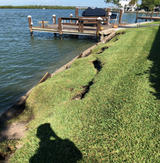
Your seawall is your first defense against erosion, flooding, and tidal impact.
But Florida’s intense weather patterns can accelerate wear and tear, especially if routine upkeep is neglected.
By taking a seasonal approach to maintenance, Florida homeowners can extend the life of their seawall, prevent costly repairs, and protect their property year-round.
Spring: Prep for Rain
As Florida heads into its rainy season, spring is the ideal time to inspect and prepare your seawall for increased water levels and runoff.
- Visual Inspection: Check for hairline cracks, soil loss, rust stains, and leaning panels.
- Drainage Maintenance: Clear weep holes and ensure water can pass through the seawall without buildup behind it.
- Landscaping Prep: Trim shrubs and trees near the seawall. Avoid planting anything new within 10 to 20 feet to reduce root pressure.
- Soil Stabilization: Add backfill if soil has settled or eroded over the winter.
Summer: Storm Season
Hurricane season means your seawall is under severe pressure. Summer maintenance is all about reinforcing the system before storms hit.
- Check for Hydrostatic Pressure Signs: Bulging walls or water pooling behind the seawall signal poor drainage.
- Watch for Washout: Inspect for soil erosion and gaps forming behind the wall after heavy rains.
- Mulching and Moisture Balance: Use mulch to retain moisture and protect from soil shrinkage during dry spells.
- DIY Seawall Repair: You may be tempted to apply epoxy or add gravel to backfill areas, but be cautious. These can buy time but may mask deeper problems.
Fall: Post-Storm Inspection
Once storm season winds down, it’s time to check for any hidden damage from summer rains and hurricanes.
- Full Structural Assessment: Recheck for cracks, leaning panels, or settling. This is a good time to schedule a professional inspection.
- Drainage Reinforcement: Re-clear weep holes and gutters to prevent buildup during early winter rains.
- Soil Conditioning: Add topsoil or compact backfill where needed to ensure stability.
Winter: Off-Season Tune-Up
Florida winters are mild, making it an excellent time for maintenance without pressure from storms or extreme heat.
- Cut Back Vegetation: Clear growth from seawall edges to reduce root damage risk.
- Check Drainage: Winter rain can still cause pooling. Ensure all outlets are clear.
- Plan Professional Maintenance: Winter is a great time to schedule larger repairs or inspections before spring stress begins.
Year-Round Tips
- Monitor Monthly: Even a quick walk along your seawall once a month can catch early signs of damage.
- Avoid Overwatering: Especially near seawalls with aging drainage systems.
- Document Issues: Take photos of new cracks or shifts. It’ll help professionals diagnose the issue if repairs are needed later.
What Happens If You Neglect Seawall Maintenance?
Skipping routine upkeep on your seawall can quickly lead to major structural and financial consequences:
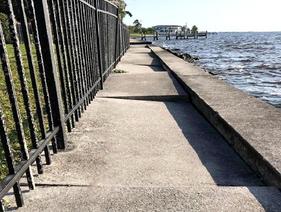
- Cracks Expand: Small cracks allow water intrusion, leading to erosion behind the wall and reduced structural integrity.
- Soil Washout and Sinkholes: Water escaping through breaches washes away supporting soil, often causing dangerous voids or sinkholes near the seawall.
- Hydrostatic Pressure Buildup: Blocked weep holes and poor drainage trap water behind the wall, creating pressure that can bow or rupture the structure.
- Accelerated Corrosion: In Florida’s saltwater, untreated concrete and metal components degrade faster without regular sealing or repair.
- Total Wall Failure: Left unchecked, these issues can result in full collapse, costing tens of thousands in emergency repairs, permits, and reconstruction.
Staying ahead with regular maintenance protects not just the wall, but the safety and value of your entire property.
Know When to Call a Pro
While routine tasks like clearing drains or mulching beds can extend your seawall’s life, DIY seawall repair has limitations.
Surface fixes often don’t address deeper soil issues or structural deterioration. For problems like bowing walls, major cracks, or washout, it’s best to schedule a professional evaluation.
Deep Renewal Injections from Alpha Foundations is one effective, non-invasive option that restores seawalls by filling voids and stabilizing the soil behind them, extending your seawall’s life without digging or disruption.
Need help assessing your seawall? Contact Alpha Foundations for a free inspection and customized seawall repair plan.
Seawall FAQs
Polyurethane foam is water-resistant and durable, often lasting decades without breaking down.
Poly foam fills voids and re-compacts soil behind the wall, creating even support. This reduces pressure points that cause panels to crack or bow.
Poly foam is long-lasting and water-resistant, so maintenance needs are minimal. Regular inspections every few years are recommended.

Leah Leitow
Publish Date:
Last Modified Date:
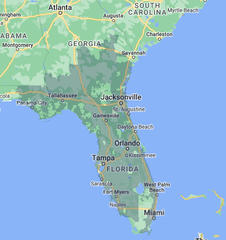
Our Locations
1755 Benchmark Ave.
Fort Myers, FL 33905
55 North Industrial Loop
Orange Park, FL 32073
3723 Hogshead Rd
Apopka, FL 32703
66 Industrial Park Dr.
Monticello, FL 32344
1615 118th Ave. N
St. Petersburg, FL 33716