
How Florida’s Hurricanes Cause Soil Erosion
The 2022 hurricane season has been particularly damaging to Florida’s southern region. Hurricane Ian slammed into the southwest region on Sept. 28, and just 43 days later hurricane Nicole made landfall near the Treasure Coast.
While both the human impact and the destruction of property were heavily covered by the media, they didn’t really talk about the hurricanes’ effect on soil.
In this article, we’ll discuss the impact of hurricanes on the soil and concrete around your home and how it could impact its structural integrity.
Do Hurricanes Cause Soil Erosion?
Yes. It’s not uncommon for wind, rain, and waves to cause soil movement, leaving devastating erosion in its path.
While most soil movement occurs after the storm, Hurricane Ian disrupted coastlines ahead of the storm when it pulled massive amounts of water away from beaches. Exposing miles of sea floor normally covered by ocean water.
After the storm, high waters returned accompanied by massive waves. All this movement resulted in major soil erosion for the Tampa Bay area.
How Do They Cause Erosion?
Extreme weather, like that of a hurricane, can cause wind, large waves, and currents to push land higher than the beach itself. When storm surge is pushed over the coastal dune, major erosion occurs.
As the storm surge recedes, it takes soil with it. Pulling supportive soil from beneath your foundation, sidewalk, driveway, and pool deck. With soil missing, concrete easily sinks into the void. Creating uneven concrete.
Even if your home is far from the water, heavy rains cause lakes and waterways to flood. This also causes erosion.
How Hurricanes Cause Problems for Building Structures
It’s estimated that 60% of homes built in Florida are built on a concrete slab foundation.
Read on to learn how an uneven foundation slab means much more than a tripping hazard.
Sinking & Settlement
Hurricanes bring heavy rain and strong winds. When the water recedes, it takes the soil beneath your concrete slab with it. Your slab then sinks into the void created.
Homeowners will notice a cracked slab, sticking doors and windows, and uneven floors.
Water Leaking
When sinking occurs, so can leaking. Sinking causes cracks that water easily flows through.
Water always takes the path of least resistance. Even if active water isn’t noticed right away, look for discolored concrete or a musty, damp odor.
Wind Damage
High hurricane winds move water fast. Pulling soil from beneath your concrete structures and pushing water against your home.
Hurricane winds speed up damage and make symptoms obvious very quickly.
Ways to Protect Your Foundation from Hurricane Damage
Unlike boarding doors and windows, there isn’t much homeowners can do to prevent hurricane damage to your foundation or other concrete structures.
Most hurricane damage is mechanical issues and not covered by insurance. It’s best to check with your insurance company to be sure.
Still, we’ve compiled a list of tips to protect your home.
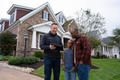
Start with a Solid Base
Hurricane damage will accelerate any existing foundation or concrete problems. Minor damage becomes major damage when high levels of rain and wind are introduced.
Scheduling a foundation and concrete inspection in advance of hurricane season allows you time to fix anything needed.
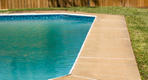
Fill Your Pool
If your home has a pool, make sure it is filled completely before the storm hits.
Water surge from a hurricane can cause the liner to float out of place.
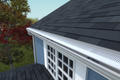
Ensure Gutters Function Properly
Redirecting water away from your home may be the best defense to prevent soil washout.
Ensure gutters are properly installed, free-flowing, and appropriately sized.
FAQs
Nov. 30 is the end of hurricane season in Florida. Each year, hurricane season officially starts June 1 and lasts six months, ending Nov. 30.
While “good” may be a stretch, yes, hurricanes offer several benefits to the environment.
- They break up algae blooms
- Maintain temperatures between the poles
- Aid in seed distribution
- Bring rain to areas in need
Hurricanes and the storm wave action can cause beach erosion, lead to washout, erode marshes, and cause coastal cliff erosion.
A field survey in Anegada (British Virgin Islands) conducted after hurricane Irma showed the coastline retreated 19 to 26 feet. This type of movement impacts the ecosystem as well as tourism.
Conclusion: Solutions for Hurricane Erosion
Nothing can be done to stop hurricanes from wreaking havoc on Florida, but repairing the aftermath is another story.
Polyurethane foam injection allows a smooth and even lift of sunken concrete slabs while stabilizing the soil beneath.
While the idea is simple, the process is tricky. You’ll want to hire a local company with years of experience working with the area’s soil to ensure a steady lift and a long-term solution. The two-part polymer expands under the slab, filling voids, and stabilizing the soil beneath. Unlike replacement, the polymer won’t wash out.
We want to help you make informed decisions about your concrete lifting, especially after a hurricane. We’re homeowners, too, so we know it can be a stressful process.
When you’re looking for a concrete repair company, make sure they have at least three things:
- An understanding of the local soil
- How hurricanes effect that soil
- And a warranty on their work
At Alpha, we’ve got all that and more, but again, our goal here is just to give you the know-how to make the best possible decisions for your home.
If you have any questions about the effects of hurricanes on Florida’s soil or about concrete lifting, call us today, and we’ll be happy to help.
*Disclaimer: “Concrete leveling” means the process by which cracked, uneven concrete is stabilized, and in many cases lifted, by means of PolyRenewal™ polyurethane foam. Alpha Foundations does not guarantee that PolyRenewal™ can make your concrete perfectly level.
Publish Date:
Last Modified Date:
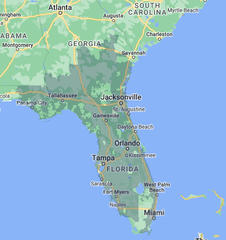
Our Locations
1755 Benchmark Ave.
Fort Myers, FL 33905
55 North Industrial Loop
Orange Park, FL 32073
3723 Hogshead Rd
Apopka, FL 32703
66 Industrial Park Dr.
Monticello, FL 32344
1615 118th Ave. N
St. Petersburg, FL 33716