
DIY Seawall Repair vs. Professional Fixes: What’s the Best Option?
Key Takeaway
- DIY seawall repair methods like epoxy filling and backfilling may help short-term, but often miss deeper issues like soil erosion or hydrostatic pressure.
- Seawall damage can result from tidal erosion, aging materials, and poor drainage, leading to cracks, sinkholes, or full collapse.
- Risks of DIY include masking symptoms, worsening drainage, and missing structural failures.
- Professional solutions, like Alpha Foundations’ Deep Renewal Injections, stabilize soil, seal cracks, and prevent washout, without excavation.
- If you see leaning walls, bowing, or major cracks, it’s time to skip the DIY and call in the pros.
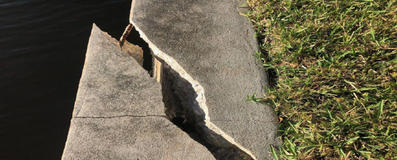
If you live near the water, your seawall is one of the most important features protecting your property from erosion and flooding. But over time, seawall wear and tear are inevitable.
When you notice damage, you might wonder: Should I try a DIY seawall repair, or is it smarter to call in a professional?
Let’s break it down.
- What Causes Seawall Damage?
- Common DIY Seawall Repair Methods
- Risks of DIY Seawall Repair
- Why Choose Professional Seawall Repair?
- Deep Renewal Injections by Alpha Foundations
- How Deep Renewal Works
- Key Advantages of Professional Polyurethane Seawall Repair
- Why DIY Seawall Repair Falls Short and What to Do Instead
Signs of Seawall Damage
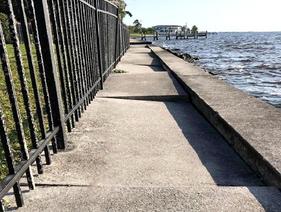
Seawall issues can range from minor surface wear to significant structural compromise. While a quick visual inspection might reveal cracks, soil loss, or bowing, these symptoms often point to underlying problems that require closer attention.
For a more detailed explanation of common warning signs and their meanings, refer to our full article, 5 Signs Your Florida Seawall Needs Repair.
What Causes Seawall Damage?
Seawalls take a constant beating from the environment. Over time, a combination of natural forces and construction limitations can lead to cracks, leaning, soil washout, or total failure. The most common causes of seawall damage include:
- Tidal Erosion: Constant wave action and fluctuating water levels wear down the base of the wall.
- Hydrostatic Pressure: Water buildup behind the wall pushes against the structure, especially if drainage is poor.
- Aging Materials: Concrete, vinyl, and wood degrade over time, especially in saltwater environments.
- Poor Backfill or Soil Loss: Soil settling or erosion behind the wall weakens its support.
- Tree Roots and Landscaping Mistakes: Roots can displace or damage seawall components if planted too close.
If you want to dive deeper into the science of tidal erosion, check out our full post, Understanding Tidal Erosion: Why Your Seawall is Failing.
DIY Seawall Repair: What You Can (and Can’t) Do
Some homeowners consider DIY seawall repair to save money or buy time before calling a professional.
While certain minor fixes can be tackled safely, there are limitations to what’s reasonable and what might cause more harm than good.
Common DIY Seawall Repair Methods
- Applying marine-grade epoxy or sealant to fill surface cracks
- Replacing or resealing capstones that have become loose
- Improving backfill to prevent water pooling and washout
- Adding geotextile fabric and gravel for basic erosion control
These repairs may offer temporary results, but don’t address deeper structural issues. DIY efforts are unlikely to be effective if you see damage signs like bowing walls, major cracks, soil washout, or leaning panels.
Risks of DIY Seawall Repair
- Temporary Fixes: Adding dirt to holes does not address the underlying erosion and will continue to erode.
- Ineffective: Crushed seashells, rocks, or slurry often wash out with the next storm and do not address unstable soil.
- Creates New Problems: Cement slurry and sealing seawall joints can block water drainage and build hydrostatic pressure, potentially worsening the problem.
- High Failure Rate: Sealing joints alone often has a high failure rate and doesn’t stop soil migration.
- Lack of Expertise: DIY approaches lack the engineering analysis and specialized materials needed for a lasting solution.
Why Choose Professional Seawall Repair?
While DIY seawall repair might seem like a cost-saving option, professional repairs offer unmatched performance. Professionals pinpoint the root cause of your seawall issues, so you’re not covering up symptoms but actually fixing the problem.
Professional repairs also come with:
- High-quality, engineered materials that are built to withstand Florida’s harsh marine environment.
- Code-compliant installation that meets local and state regulations.
- Long-term warranties that protect your investment and add value to your property.
This level of quality and assurance simply isn’t possible with most DIY approaches.
Deep Renewal Injections by Alpha Foundations
At Alpha Foundations, we offer a cutting-edge solution to restore failing seawalls without excavation or major disruption: Deep Renewal Injections. This advanced method targets the soil behind your seawall to stop the cause of failure, voids, and soil washout.
With Deep Renewal, we seal cracks, stabilize loose soil, and prevent further erosion, all while restoring the structural integrity of your seawall.
How Deep Renewal Works
Two-Component Foam Technology
The system uses a two-part polyurethane liquid that combines and expands into a lightweight, rigid foam. This material is strong, durable, and water-resistant.
Precision Injection Process
We inject the foam in a carefully planned grid pattern, both vertically and horizontally, behind the seawall. This ensures thorough coverage and maximized effectiveness.
Rapid Expansion and Sealing
Once injected, the foam quickly expands and flows into voids, cracks, and loose soil. It reacts with moisture in the ground and creates a dense, stabilized base. This process:
- Reinforces the seawall from behind
- Blocks future water intrusion
- Prevents further soil washout
The result is a renewed, stabilized seawall with minimal disturbance to your property.
If you’re seeing signs of seawall damage or soil erosion, Deep Renewal Injections may be the right solution. Contact Alpha Foundations today.
Key Advantages of Professional Polyurethane Seawall Repair
Minimal Disruption: This non-invasive, no-dig solution doesn’t require heavy equipment or excavation, making it far less disruptive than anchoring or replacement.
Soil Stabilization: Polyurethane foam compacts and bonds loose soil, forming a watertight barrier that prevents seepage and soil washout, addressing the root cause.
Lightweight: The expanding foam fills voids without adding stress to the existing structure, helping restore stability without burdening the wall.
Fast Curing: Most polyurethane systems cure quickly, allowing repairs to be completed in just one day.
Cost-Effective: Polyurethane injection is significantly more affordable and less labor-intensive than total seawall replacement.
Targets the Source: Unlike cosmetic DIY fixes, this method resolves the underlying soil movement and voids that lead to structural issues.
Why DIY Seawall Repair Falls Short and What to Do Instead
While a quick DIY seawall repair might seem like an easy, cost-saving solution, these fixes often mask deeper problems without solving them.
In contrast, Deep Renewal Injections offer a permanent solution. It uses engineered materials and specialized equipment to stabilize soil, seal cracks, and extend the life of your seawall.
If you see signs of seawall damage, skip the guesswork. A professional inspection will pinpoint the real issue and provide a repair plan that will protect your property for years to come.
Contact Alpha Foundations for a free inspection.
Seawall FAQs
At first, yes, but failed DIY repairs often lead to higher long-term costs.
Working near water and heavy structures can be dangerous without training.
If you see cracks, bowing panels, soil loss, or water leaks, call a pro immediately.

Leah Leitow
Publish Date:
Last Modified Date:
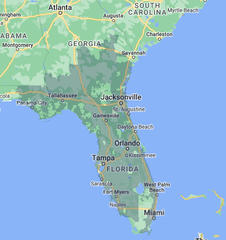
Our Locations
1755 Benchmark Ave.
Fort Myers, FL 33905
55 North Industrial Loop
Orange Park, FL 32073
3200 W Copans Rd.
Pompano Beach, FL 33069
3723 Hogshead Rd
Apopka, FL 32703
66 Industrial Park Dr.
Monticello, FL 32344
1615 118th Ave. N
St. Petersburg, FL 33716
515 N Flagler Dr.
Ste. P-300
West Palm Beach, FL 33401