
Understanding Tidal Erosion: Why Your Seawall is Failing
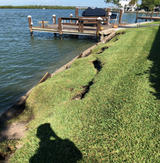
Living on the water has undeniable benefits: beautiful views, boating access, and higher property value. But owning waterfront property also comes with a constant battle against erosion. Seawalls are designed to protect the land from the forces of waves and tides. Over time, however, even the strongest seawalls can begin to show signs of failure.
Understanding how tides affect soil stability and seawall performance is key to protecting your property. In this article, we’ll explore how tidal erosion undermines seawalls, the common warning signs of damage, and the most effective seawall repair methods available for Florida homeowners.
What is Tidal Erosion?
Tidal erosion is the gradual wearing away of soil and shoreline caused by the repeated rise and fall of water levels. As tides move in and out each day, water pushes against seawalls and then recedes, pulling soil and sediment with it through cracks, joints, or gaps beneath the wall.
Over time, this back-and-forth movement creates voids behind the seawall, weakens the soil that supports it, and increases pressure on the structure. Even in calm canal zones or areas with minimal wave action, the constant fluctuation of tides is enough to steadily erode the shoreline and compromise a seawall’s stability.
How Tidal Erosion Damages Seawalls
Tides are a natural and constant force. As water rises and falls, it pushes against your seawall, pulling soil and sediment out from behind and beneath the structure. This ongoing “back-and-forth” motion creates voids, weakens soil support, and increases hydrostatic pressure against the wall. Over time, these stresses can cause cracks, leaning, and even structural failure.
Some key ways tidal erosion impacts seawalls include:
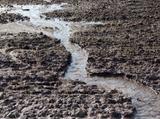
- Soil Migration: Each tide cycle draws small amounts of soil out through joints, cracks, or beneath the footing, creating hidden voids.
- Hydrostatic Pressure: Groundwater builds up behind the seawall, pressing against the wall and causing movement or cracking.
- Undermining the Footing: As soil washes out from below, the wall loses its foundation, eventually leading to settling or collapse.
- Storm Amplification: During hurricanes or heavy rains, tides rise higher, accelerating erosion that was already in progress.
Signs Your Seawall Is Failing from Tidal Erosion
Early detection is critical. Homeowners often don’t notice seawall problems until visible damage occurs, but there are several red flags to watch for:
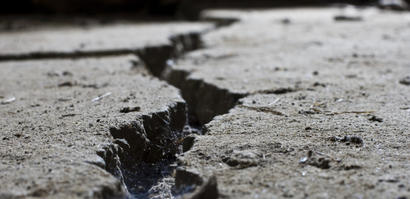
- Voids or sinkholes forming in the yard near the seawall.
- “Molehills” of soil disappearing behind the wall, exposing the seawall face.
- A leaning or bowing wall.
- Cracks in the seawall cap.
- Sinking concrete sidewalks or walkways along the waterfront.
- Uneven or sloping captain’s walks or docks.
- Visible washouts or blowouts in sheetpile sections.
If left unaddressed, these issues worsen quickly, often requiring costly full replacement rather than targeted repair.
The Polyurethane Solution to Tidal Erosion
Modern polyurethane injection technology is a game-changer for seawall repair in Florida. Instead of masking the symptoms, it addresses tidal erosion at its source: the soil.
Here’s why Deep Renewal Injections are the superior option:
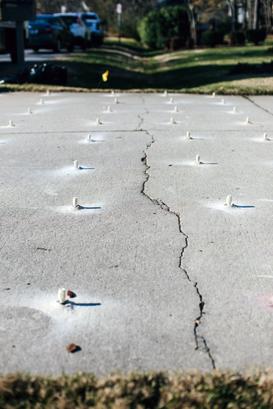
- Stabilizes Soil: The expanding foam compacts and bonds with the soil, creating a dense, concrete-like layer that resists erosion.
- Fills Voids & Cracks: The material aggressively seeks out cavities, sealing off hidden pathways where water pulls soil out.
- Stops Active Leaks: Once cured, polyurethane forms a watertight barrier that blocks water intrusion and prevents future washouts.
- Eco-Friendly: Certified safe for drinking water, polyurethane is hydrophobic, non-toxic, and inert once cured.
- Minimal Disruption: No excavation or heavy machinery is needed, and most repairs are completed in one to two days.
- Cost-Effective: A fraction of the cost of replacement, with long-term protection backed by warranties.
Why Traditional Repairs Fall Short
Many homeowners attempt quick fixes, such as filling voids with rock, sand, or concrete slurry, or sealing visible cracks. Unfortunately, these methods rarely last. Fill materials often wash out with the next tide, while joint sealing can trap water and increase hydrostatic pressure. In other words, these temporary solutions don’t address the erosion issues at the root of the problem.
Protect Your Waterfront Investment with Alpha Foundations
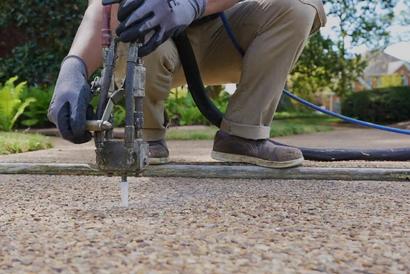
Tidal erosion isn’t something you can stop, but you can prevent it from destroying your seawall. By recognizing early warning signs and choosing a modern repair method like polyurethane injection, you can extend the life of your seawall, protect your property, and avoid the high cost of replacement.
Alpha Foundations offers reliable concrete seawall repair with Deep Renewal Injections to Florida homeowners. Contact our team to schedule a free, no-obligation inspection today.
Related Resources

Groundworks
Publish Date:
Last Modified Date:
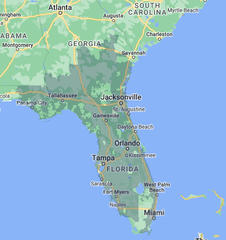
Our Locations
1755 Benchmark Ave.
Fort Myers, FL 33905
55 North Industrial Loop
Orange Park, FL 32073
3200 W Copans Rd.
Pompano Beach, FL 33069
3723 Hogshead Rd
Apopka, FL 32703
66 Industrial Park Dr.
Monticello, FL 32344
1615 118th Ave. N
St. Petersburg, FL 33716
515 N Flagler Dr.
Ste. P-300
West Palm Beach, FL 33401