
The Seawall Repair Process: What to Expect from Start to Finish
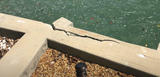
If you own waterfront property, your seawall is your first line of defense against erosion and water damage. But when cracks, soil loss, or leaning sections start to appear, many homeowners feel overwhelmed about the repair process. Will the job require heavy equipment? How long will it take? And most importantly, which solutions actually last?
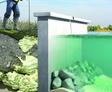
The most reliable and cost-effective option today is Deep Renewal Injections. Unlike outdated methods like slurry fills or patching cracks, polyurethane targets the source of seawall failure and provides a long-lasting fix. Here’s what you can expect from start to finish when you hire Alpha Foundations to stabilize and restore your seawall.
Step 1: Inspection & Assessment
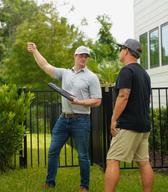
Every repair begins with a professional inspection. A certified repair expert will check the seawall for cracks, leaning sections, voids in the yard, or signs of water pushing through. The assessment identifies where soil loss has occurred and determines the best injection points to restore strength and stability.
Here are some common red flags for seawall failure that inspectors look for:
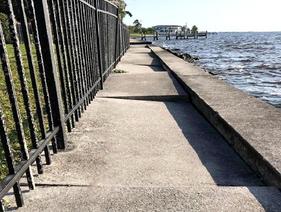
- Soil loss or sinkholes behind the seawall, often appearing as depressions, soft spots, or holes in the yard.
- Voids or cavities forming under the seawall cap or along the base of the wall.
- Cracks in the seawall cap or vertical/horizontal cracks in the wall panels themselves.
- Leaning or bowing sections of the wall that indicate soil washout and uneven pressure.
- Seepage or water flow through joints between panels, especially during high tide or heavy rain.
- Erosion lines or washed-out areas where water has carried soil away.
- Hydrostatic pressure indicators, such as water “boiling” or bubbling up from behind the wall.
Step 2: Planning & Preparation

Once the problem areas are identified, a repair plan is created. A technician maps out the injection sites along the seawall cap or nearby soil. This preparation phase ensures the foam is delivered precisely where it’s needed to stop erosion and stabilize the wall.
Preparation also includes safety checks and setting up equipment. Homeowners will be informed about where drilling will occur and how the process will affect landscaping or nearby features, although disruption is typically minimal.
Step 3: Polyurethane Injection Process
This is where the transformation happens:
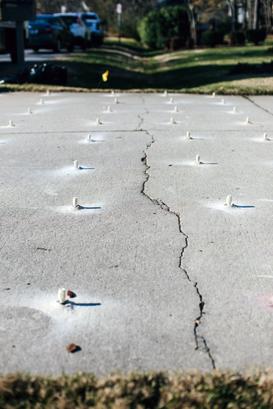
- Drill Small Access Holes: Tiny holes (about the size of a penny) are drilled in the seawall cap or nearby soil.
- Insert Injection Ports: Specialized ports are placed into the holes to guide the material.
- Controlled Injection: A two-part liquid polyurethane is pumped through the ports at controlled pressures.
- Void Filling & Soil Stabilization: The foam seeks out cracks, cavities, and weak soils, solidifying into a stable base.
- Cure & Cleanup: The polyurethane cures within minutes. Any material that surfaces is trimmed away, and the holes are sealed for a clean finish.
Step 4: Final Inspection & Warranty
Before wrapping up, the technician performs a final inspection to ensure the seawall has been stabilized. They’ll check that voids are filled, cracks are sealed, and no active leaks remain. Alpha Foundations offers a five-year warranty for polyurethane seawall repairs to ensure lasting protection and peace of mind for Florida homeowners.
Step 6: Aftercare & Maintenance
Even after professional repairs, a few simple maintenance steps can extend the life of your seawall. Homeowners should grade their yard away from the seawall so water drains properly, direct gutters and downspouts away from the shoreline, and avoid sending pool water or irrigation runoff toward the wall.
These small changes help reduce additional erosion and hydrostatic pressure. While no repair can make a seawall hurricane-proof, polyurethane injections provide long-term stabilization against the daily forces of tides, waves, and rain. With the right aftercare, most seawalls will remain strong for years to come.
Ready to Protect Your Seawall With Alpha Foundations?
Repairing your seawall doesn’t have to mean tearing it out or dealing with weeks of disruption. Deep Renewal Injections are fast, minimally invasive, and highly effective. By stabilizing soil, filling voids, and creating a watertight barrier, this process restores your seawall’s strength at a fraction of the cost of replacement.
If you’ve noticed soil loss, cracks, or a leaning section of seawall, Alpha Foundations offers the smartest solution for homeowners in the Sunshine State. Ready to learn more? Contact our team today to schedule a free, no-obligation inspection.
Related Resources

Groundworks
Publish Date:
Last Modified Date:
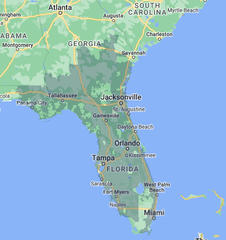
Our Locations
1755 Benchmark Ave.
Fort Myers, FL 33905
55 North Industrial Loop
Orange Park, FL 32073
3200 W Copans Rd.
Pompano Beach, FL 33069
3723 Hogshead Rd
Apopka, FL 32703
66 Industrial Park Dr.
Monticello, FL 32344
1615 118th Ave. N
St. Petersburg, FL 33716
515 N Flagler Dr.
Ste. P-300
West Palm Beach, FL 33401