
Polyurethane vs. Traditional Seawall Repair: What’s the Difference?
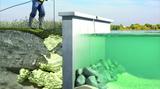
When a seawall begins to show signs of failure, homeowners often feel caught between expensive replacement and quick fixes that don’t last. However, traditional repair options often fail to address the root causes of seawall damage, leading to recurring problems and mounting costs.
That’s where polyurethane injections have changed the game. Specifically engineered for concrete seawalls, poly provides a modern, cost-effective, and minimally disruptive repair method. But how does polyurethane seawall repair really compare to traditional methods? Let’s break it down.
The Problem with Traditional Seawall Repairs
Traditional repair approaches attempt to patch visible damage without resolving underlying soil instability:
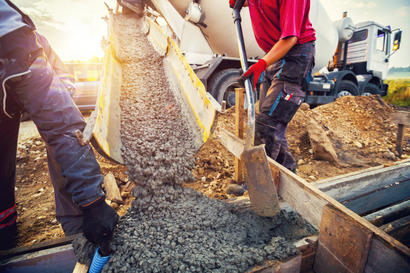
- Crushed seashells, rock, or slurry fills: These materials are poured behind the wall to fill voids, but often wash away with the next tide or storm. Worse, they block natural drainage and increase hydrostatic pressure.
- Sealing joints or cracks: While this can temporarily stop leaks, it doesn’t prevent continued soil loss beneath or behind the wall, leading to new voids and pressure points.
- Full replacement: Building a new seawall from scratch is effective, but highly invasive and costly, requiring heavy equipment, excavation, and weeks of disruption to landscapes and nearby structures.
Why Polyurethane Injection Is Different
Polyurethane seawall repair takes a soil-first approach. Rather than relying on bulk materials or patching cracks, polyurethane injection directly stabilizes the ground supporting the seawall:
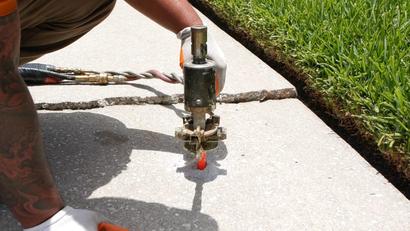
- Lightweight & Non-Invasive: Unlike heavy slurry or rock fills, polyurethane is lightweight and requires no excavation or heavy machinery.
- Void Filling & Soil Stabilization: The expanding foam seeks out cracks, cavities, and voids, creating a solid base that prevents further washout.
- Watertight Barrier: Once cured, polyurethane creates a watertight seal that stops leaks and prevents erosion and tidal damage.
- Eco-Friendly & Safe: Poly foam is hydrophobic, certified to healthy drinking water standards, and chemically inert once cured.
- Fast Cure & Long-Lasting: Polyurethane sets within minutes, with most projects completed in one to two days.
- Cost-Effective: By avoiding excavation and replacement, poly offers homeowners long-term protection at a fraction of the cost.
How Deep Renewal Injections Work
Concrete seawall repair with poly foam is a simple and efficient process, especially compared to more invasive methods like slurry backfilling. Here’s a brief overview of the Deep Renewal Injection process from Alpha Foundations, broken down into five simple steps:
Step 1: Inspection & Assessment
A trained technician inspects the seawall for cracks, soil loss, voids, and signs of hydrostatic pressure. They identify where injections are needed and determine the best product blend and injection pattern.
Step 2: Drill Access Points
Small holes (usually less than 5/8”) are drilled into the soil or concrete cap along the seawall where soil loss has occurred. This provides precise access for the injection equipment without damaging the structure.
Step 3: Prepare & Position Injection Equipment
A specialized pump system is connected to injection ports placed into the drilled holes. Pressures are carefully calibrated (typically 800–1,000 psi) to ensure safe, controlled delivery of the polyurethane.
Step 4: Polyurethane Injection
The two-part polyurethane is injected in liquid form. Within seconds, it reacts, expands, and seeks out voids, cracks, and weak soils beneath and behind the seawall. This creates a dense, watertight barrier while compacting and stabilizing surrounding soil.
Step 5: Cure & Stabilization
The polyurethane cures rapidly, typically within minutes. The seawall and surrounding soils are stabilized almost immediately, with no need to wait days or weeks for materials to set.
Trust Alpha Foundations for Lasting Seawall Repair
While traditional seawall repairs may seem less expensive upfront, they often fail to solve the real issues at hand: unstable soils and hydrostatic pressure. This leads to repeated repairs and mounting costs over time. Polyurethane injections, on the other hand, stabilize the seawall from the ground up, filling voids, sealing cracks, and creating a permanent soil barrier against erosion.
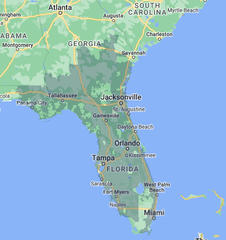
For Florida homeowners, where tidal fluctuations, hurricanes, and daily erosion take a toll on seawalls, polyurethane offers a reliable and environmentally safe solution that extends the life of existing structures. Alpha Foundations offers poly seawall repair throughout Florida. Contact our team today to schedule a free inspection.
Related Resources

Groundworks
Publish Date:
Last Modified Date:
Our Locations
1755 Benchmark Ave.
Fort Myers, FL 33905
55 North Industrial Loop
Orange Park, FL 32073
3200 W Copans Rd.
Pompano Beach, FL 33069
3723 Hogshead Rd
Apopka, FL 32703
66 Industrial Park Dr.
Monticello, FL 32344
1615 118th Ave. N
St. Petersburg, FL 33716
515 N Flagler Dr.
Ste. P-300
West Palm Beach, FL 33401