
5 Signs of Seawall Damage in Florida
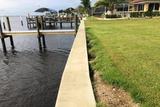
Florida’s seawalls are the first line of defense between waterfront properties and the forces of the ocean, bays, and canals. They protect valuable land and structures from erosion, flooding, and tidal impact. However, over time, saltwater, tides, and storms gradually weaken these barriers. Identifying damage early helps prevent further deterioration and the need for extensive seawall repairs.
This page explores five common warning signs that indicate your Florida seawall may need repair.
5 Common Signs of Seawall Damage
Florida seawalls are constantly exposed to the sun’s rays, saltwater, and other natural elements, which take a toll over time. While these barriers are built to last, they aren’t immune to wear. The early signs of deterioration may be subtle, but they often signal underlying issues beneath the surface.
Below are five common signs that indicate your seawall may require repair.
1. Cracks in Seawall Caps
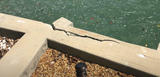
Cracks on or near seawall caps are early warning signs of structural stress. In Florida’s high-salinity environment, even hairline cracks can expand quickly. Saltwater accelerates deterioration by allowing moisture to reach the steel rebar inside, leading to rust and crumbling concrete. Cracking near joints or along the top edge often signals that the wall is shifting or under pressure from behind.
2. Soil Loss or Sinkholes
Small sinkholes, dips, or holes near the seawall often signal soil loss behind the structure. This process, known as backfill erosion, happens when water seeps through cracks or joints and washes soil away into the waterway. Florida’s sandy soils are prone to this kind of displacement. Without addressing the wall’s drainage or structural stability, the erosion will continue and likely worsen.
3. Leaning or Bowing Walls
Leaning or bowing seawalls often indicate pressure build-up behind the seawall. Poor drainage is likely the cause, allowing water to accumulate in the soil and create hydrostatic pressure that forces the wall to tilt forward or inward. This movement shows the structure is losing its ability to retain soil and resist water pressure. In Florida’s storm-prone climate, leaning seawalls require immediate attention to prevent potential collapse.
4. Rust and Corrosion
Tie rods, anchors, and steel reinforcements inside seawalls are critical to maintaining structural integrity. When these components begin to corrode, the wall weakens from the inside out. Florida’s saltwater environment accelerates this process, often leading to faster deterioration than many property owners expect. Rust stains aren’t just cosmetic; they’re an early warning sign of potential structural damage and should be inspected by a professional.
5. Water Seepage or Standing Water
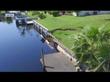
Water leaking through the wall or pooling behind it often signals a drainage failure. When water can’t escape properly, it builds up in the soil and forces its way through joints, cracks, or the base of the wall. This seepage leads to soil washout, structural movement, and unstable ground behind the seawall. Standing water that lingers after rainfall or high tides is a clear sign that the wall’s drainage system is no longer working as intended.
In addition to the five signs above, other indicators, such as loose capstones, crumbling concrete, or sinking patios near the seawall, may also signal underlying structural issues. Don’t ignore minor changes. When it comes to seawall damage, early detection is crucial for preventing large-scale repairs or complete seawall failure.
What Happens If You Don’t Repair a Damaged Seawall?
Ignoring signs of seawall damage can lead to severe structural failure and expensive emergency repairs. Florida seawalls are constantly exposed to storm surges, especially during hurricane season. Over time, even minor cracks or soil shifts can escalate into major problems that compromise the structural stability and ability to protect your property.
In many cases, when issues are detected early, seawall damage can be repaired with simple solutions, such as soil stabilization and drainage improvements, rather than a complete rebuild. However, when seawalls begin to lean, bow, or collapse, repairs become far more complex.
Get a Free Seawall Inspection in Florida from a Local Expert

At Alpha Foundations, our certified field inspectors go beyond just assessing seawalls. We evaluate the surrounding area, identify the underlying causes of damage, and determine whether seawall repair is the right solution for your property. Our inspection process is transparent from start to finish, providing clear answers, warrantied repair solutions, and flexible financing options so you can move forward with peace of mind.
Contact us today to schedule your free inspection and protect your Florida waterfront property.
Seawall Repair FAQs
Seawall failure leads to flooding, soil erosion, and property damage, putting nearby structures at greater risk of water intrusion.
Working near water and heavy structures can be dangerous without training.
Polyurethane foam is water-resistant and durable, often lasting decades without breaking down.

Groundworks
Publish Date:
Last Modified Date:
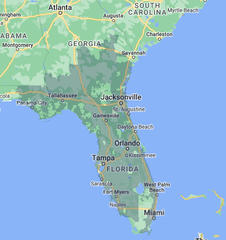
Our Locations
1755 Benchmark Ave.
Fort Myers, FL 33905
55 North Industrial Loop
Orange Park, FL 32073
3200 W Copans Rd.
Pompano Beach, FL 33069
3723 Hogshead Rd
Apopka, FL 32703
66 Industrial Park Dr.
Monticello, FL 32344
1615 118th Ave. N
St. Petersburg, FL 33716
515 N Flagler Dr.
Ste. P-300
West Palm Beach, FL 33401