
7 Common Signs of Crawl Space Mold
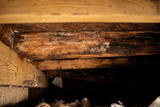
Homes with crawl space foundations are common in Florida and Georgia, especially in neighborhoods with homes built before the 1970s. Unfortunately, these areas’ high humidity and moisture often lead to mold problems in crawl spaces. Even if you can’t see it, mold under your house can pose serious health risks.
The good news? You can protect your home and family by identifying crawl space mold early. This guide highlights seven signs of mold in a crawl space and the best ways to eliminate moisture and mold for good.
What Causes Crawl Space Mold?
Homeowners always ask us why mold develops in some crawl spaces but not others. In a nutshell, mold grows best in crawl spaces with high humidity and dampness. Here are some of the common factors that lead to mold growth in the crawl space:
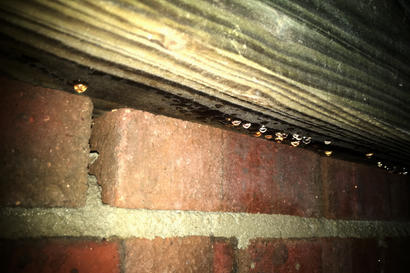
- High humidity: Florida’s naturally moist climate keeps crawl spaces humid year-round, creating the perfect environment for mold to grow.
- Damp or exposed soil: Exposed earth releases moisture into the air, raising humidity levels and promoting mold on nearby surfaces.
- Plumbing leaks or flood damage: Water intrusion saturates wood and insulation, giving mold exactly what it needs to thrive.
- Open crawl space vents: Rather than helping, open crawl space vents invite humid outdoor air inside, which raises moisture levels and allows condensation to form.
- Condensation on floor joists and HVAC equipment: Cool air passing through warm, moist spaces causes condensation, which collects on wood and metal surfaces—prime spots for mold growth.
7 Signs of Mold in Your Crawl Space
The path to a mold-free crawl space begins with knowledge. As a homeowner, you can learn to recognize the warning signs that mold is present. Here are seven of the most common signs that mold is lurking in your crawl space.
1. A Musty Odor
Moisture buildup can cause the wood and structural material inside your crawl space to rot and decay. The result is an unpleasant musty smell that can permeate your crawl space as well as your home’s ground floor.
2. Worsening Allergy Symptoms
Florida residents are accustomed to a long allergy season. However, if you notice your eyes are more watery than usual or that you are sneezing and coughing more often, your symptoms could be the result of mold in your crawl space.
3. Increased Bugs and Pests
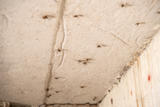
Bugs and pests are common in Georgia and Florida. But if you suddenly notice more pests invading your home than usual, they could be entering through a crack or hole in your crawl space. If pests can enter your home, then rainwater and runoff may enter through the same location. The result is moisture buildup and mold under your house.
4. Discoloration on Walls and Insulation
When mold begins to take over your crawl space, it can leave an unattractive mark on your walls and insulation. Have you seen any greenish or blackish stains on the surfaces in your crawl space? If so, it’s a good idea to have your home’s foundation inspected right away.
5. Decaying Beams and Joints
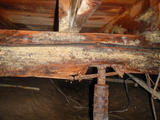
An overabundance of moisture can eventually cause your beams and other structural supports to erode. If you notice your wooden beams are starting to rot or take on a curved appearance, then mold is likely a culprit. It’s wise to have your home evaluated immediately by a foundation repair specialist to prevent additional damage to your home.
6. Warped or Sagging Floors
Standing water, mold, and mildew can make the floors in your home sag, bend, or bounce. This is often because moisture damages the wood beams that support your ground floor. As a result, your floor becomes prone to damage.
7. Powdery Patches on your Floor Joists or Posts
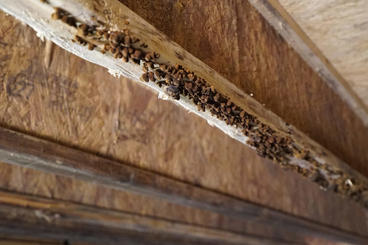
Mold growth does not always look like a black or dark green stain. Sometimes it is lighter in color and can have a powdery appearance. If you have noticed any dirty or dusty-looking patches on the frame, posts, or joists of your crawl space, you could have a crawl space mold problem.
Common Types of Crawl Space Mold
As long as your crawl space remains humid and damp, you’re going to experience some kind of mold growth. Musty smells and patches of white powdery substances on floor joists or beams are all telltale signs. Look out for any of these types of mold:
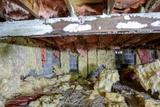
- White Mold: Often seen on soil or floor joists, this powdery mold might look harmless—but it can still produce harmful toxins.
- Black Crawl Space Mold: This is the most dangerous and toxic type. It often appears fluffy, slimy, or powdery and can range from dark gray to greenish-black. It releases mycotoxins that can seriously impact respiratory health.
- Yellow Mold: This variety feeds on wood and other organic materials, weakening your home’s structure over time. It’s destructive and needs to be addressed right away.
Wood Rot vs. Mold: Is There a Difference?
Wood rot and mold are similar in that they are both forms of fungus. They both thrive in crawl spaces for that reason. The key difference between the two is that mold grows on any organic surface (think fabric, dead animals, wood, or drywall), while wood rot only appears on damp and damaged wood. Both are dangerous to the structural integrity of your home home but mold can be toxic and may hurt the health of your loved ones.
How Crawl Space Mold Affects Your Health
If you notice one or more of the symptoms above, then you and your loved ones could be exposed to harmful mold. When mold spreads through your crawl space, it releases microscopic spores into the air. Those spores can travel into your home and affect anyone who breathes them in. Common symptoms include:
- Itchy eyes and throat
- Persistent coughing or sneezing
- Asthma flare-ups or bronchitis
- Headaches or migraines
- Difficulty breathing and fatigue
While this may seem scary at first, it’s important to know that mold can be removed and prevented. However, unless you are a skilled mold removal professional, it’s best to entrust this process to a trained mold remediation specialist.
Professional Mold Prevention Techniques
Mold remediation is best handled by professionals with the proper tools and training. Working with a professional ensures the process goes smoothly and quickly.
Crawl space encapsulation is today’s leading method to prevent crawl space mold. It’s a service that includes multiple water management tools working together at the same time. Here’s how it works:
Dehumidifier
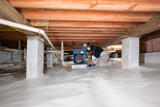
A crawl space dehumidifier will dry even large crawl spaces and filter out mold spores from the air. We install a dehumidifier that automatically shuts off when the proper humidity is reached (and vice versa), maintaining the perfect moisture levels to prevent mold growth in the crawl space.
Foam Board Insulation
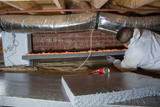
Thermal foam board insulation controls temperatures in your crawl space and helps prevent mold growth as a result. By creating a barrier against the cold and moisture, this insulation helps maintain a consistent temperature, reducing the risk of condensation and mold formation.
Vapor Barrier
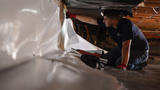
Arguably the most crucial component in any encapsulation system is a high-quality vapor barrier. Typically made from a thick, durable plastic or polyethylene material, the vapor barrier covers the ground and walls of your crawl space to prevent moisture from seeping in from the dirt and the outside environment. By blocking out all this moisture, it stops mold from growing or taking root below your home.
Sump Pump System
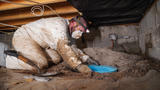
In areas prone to flooding or with high ground water levels, a sump pump system is vital. It collects any water entering the crawl space and pumps it away from your home’s foundation. Even during heavy rains, your crawl space remains dry.
Drainage Matting
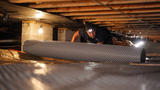
Drainage matting goes underneath the vapor barrier to help facilitate the flow of water towards the sump pump. This matting ensures that any water that does make its way into your crawl space is quickly redirected, preventing it from pooling and contributing to humidity levels.
Crawl Space Door
Crawl space doors should be airtight to stop outside air and moisture from getting below your home. Most are made from materials that resist rot and corrosion, further reducing the chances of mold growth.
Contact Alpha Foundations for Reliable Crawl Space Solutions
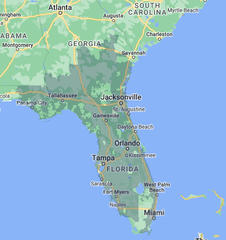
To discover why residents across Florida and South Georgia trust Alpha Foundations to keep their crawl spaces mold-free and experience the excellence for yourself, contact us today for a free crawl space inspection. Since 2002, our team has delivered five-star crawl space repair services to Florida and Southern Georgia residents. Our products and services are fully warrantied, and our stellar reviews are a testament to our commitment to providing the highest quality service.
Scheduling a free appointment with our team is easy. Within a matter of minutes, you can rest assured that your home’s crawl space and foundation will soon be mold-free. We look forward to helping you keep your home safe and healthy for years to come!

Ted Dryce
Alpha Foundations does not offer certified mold identification, inspection, testing, or remediation. This content is for general information only and not a substitute for professional advice. We make no guarantees regarding mold removal or its outcomes. For mold concerns, consult a licensed remediation specialist.
Publish Date:
Last Modified Date:
Our Locations
1755 Benchmark Ave.
Fort Myers, FL 33905
309 NE 1st St.
Gainesville, FL 32601
55 North Industrial Loop
Orange Park, FL 32073
3200 W Copans Rd.
Pompano Beach, FL 33069
3723 Hogshead Rd
Apopka, FL 32703
66 Industrial Park Dr.
Monticello, FL 32344
1615 118th Ave. N
St. Petersburg, FL 33716
100 N Patterson St.
Valdosta, GA 31601
515 N Flagler Dr.
Ste. P-300
West Palm Beach, FL 33401