
Why Homes in Leon County Built in the 1990s Are Showing Signs of Concrete Issues

If you own a home in Leon County, especially one built in the 1990s, you might be noticing cracked concrete or uneven surfaces around your property. These concrete issues can be frustrating and concerning, but they’re not uncommon.
The unique geography of Leon County and specific challenges from the 1990s construction practices play a big role in these problems. Let’s dive into what’s happening and why.
Understanding the Local Terrain
Much of Leon County sits on Florida’s karst terrain—a technical term for limestone rock found in the ground. Limestone naturally dissolves over time when exposed to water, slowly creating underground voids. This can lead to some less than ideal conditions, such as:
- Shifting Ground: As water dissolves the limestone, the ground can settle unevenly, putting stress on your home’s concrete and leading to many concrete issues.
- Sinkholes: While less common, sinkholes can suddenly appear and cause significant damage to concrete on your property.
These conditions may seem challenging, but with the right concrete services, you can protect your home and maintain your concrete for years to come.
How 1990s Construction Practices May Cause Concrete Issues
Homes built in the 1990s often used construction techniques and materials that, while standard at the time, might not hold up as well against today’s environmental challenges.
Common Issues with 1990s Homes
- Concrete Standards: Concrete mixes from this period sometimes lacked the durability of modern formulas, making them more susceptible to cracking and spalling.
- Foundation Design: Many homes were built with slab-on-grade foundations, which sit directly on the ground. Without proper soil preparation, these foundations are more likely to shift over time.
- Lack of Soil Stabilization: There’s a chance that some builders in the 1990s didn’t always account for Leon County’s sandy and expansive soils, which expand and contract with moisture changes.
How Florida’s Environment Contributes to Concrete Damage
The environment in Leon County also plays a major role in why homes from the 1990s are showing signs of concrete damage today.
1. Sandy and Expansive Soils
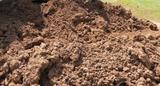
- Sandy Soil: Common in Florida, sandy soil drains quickly but doesn’t provide strong support for heavy structures. Concrete issues, like sinking or unevenness, may occur.
- Expansive Clay: Some areas in Leon County have clay soils that swell when wet and shrink when dry. This “expansive soil” causes the ground to move, which can lead to cracked concrete.
2. High Rainfall and Humidity

Leon County’s climate brings heavy rains and high humidity, especially during the summer. Water seeps into the soil, causing it to expand and put pressure on concrete slabs. When the soil dries, it contracts, leaving gaps that can cause concrete issues.
3. Proximity to Wetlands and Lakes
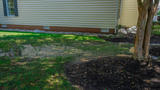
Homes sitting near Lake Jackson and Lake Iamonia are especially prone to moisture-related problems due to their surrounding wetlands. High water tables can weaken the soil under your home’s concrete, leading to cracks and uneven settling.
4. Tree Roots and Vegetation
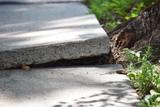
Leon County’s lush environment includes large oak trees with extensive root systems. These roots can grow under concrete slabs, causing cracks and uneven surfaces over time.
Common Signs of Concrete Issues in 1990s Homes
If you live in a 1990s home, keep an eye out for these common signs of concrete issues:
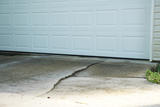
People often ignore concrete problems, especially if cracks looks small. Unfortunately, concrete damage never resolves itself.
Waiting to address concrete issues only leads to more expensive repairs (and more damage) down the line. As soon as you notice damage, be sure to take action quickly.
What Can You Do About It?
Fortunately, there are solutions to prevent and fix cracked concrete. Here are some steps you can take:
- Schedule an Inspection: Have a foundation expert assess your concrete and identify the causes of damage.
- Improve Drainage: Redirect water with proper yard grading, better gutters, and drainage systems to reduce soil movement and protect your foundation.
- Professional Concrete Leveling with Polyurethane Foam: Use high-density foam injection to lift and level sinking concrete quickly, effectively, and with long-lasting results.
Why Trust Alpha Foundations?

At Alpha Foundations, we’ve been helping homeowners in Leon County and across Florida protect their homes from concrete issues for decades. We understand the unique challenges of this region’s geography and climate, and we’re here to provide long-lasting concrete services.
If you’re seeing signs of concrete damage in your home, don’t wait. Contact Alpha Foundations for a free inspection and let us help you fix cracked concrete today.
Concrete Issues FAQs
While mudjacking and self-leveling concrete are tempting to install on your own, we do not recommend DIY concrete leveling or repair. It can be easy to not properly mix or install the materials, and the necessary tools for installation can be expensive. When you work with a concrete leveling professional like Alpha Foundations, you’ll receive a free inspection and repair estimate, and you’ll benefit from our years of experience in diagnosing and repairing sunken concrete.
Depending on what repair method is used, professionally leveled concrete can last for many years with proper maintenance. Factors like soil settlement, freezing/thawing, and traffic loads impact longevity. Ongoing cracking should be evaluated. To learn more about concrete leveling, particularly with long-lasting polyurethane injections, contact Alpha Foundations for a free inspection and estimate.
Common causes of concrete floor damage include soil instability, foundation settlement, saturation, freeze/thaw cycles, improper installation, and ground movement. During a free inspection, an Alpha Foundations expert will assess your home to determine the source of the problem and recommend repairs.
Related Resources



Groundworks
Disclaimer: By “concrete leveling,” we mean the process by which cracked, uneven concrete is stabilized, and in most cases lifted, by means of our PolyRenewal™ polyurethane foam. Alpha Foundations does not guarantee that PolyRenewal™ can make your concrete perfectly level.
Publish Date:
Last Modified Date:
Our Locations
1755 Benchmark Ave.
Fort Myers, FL 33905
55 North Industrial Loop
Orange Park, FL 32073
3723 Hogshead Rd
Apopka, FL 32703
66 Industrial Park Dr.
Monticello, FL 32344
1615 118th Ave. N
St. Petersburg, FL 33716