
Foundation Cracks: Knowing When to Worry with Florida Homes
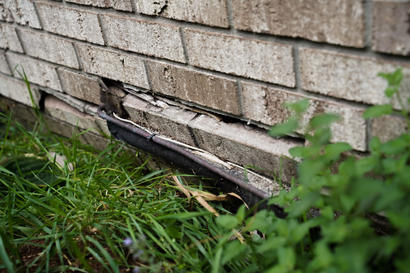
Not all foundation cracks mean trouble, but some can be a sign of serious structural problems. Many Florida homeowners notice small cracks in their foundation, walls, or floors and wonder if they should be concerned. The reality is that Florida’s unique soil and weather conditions make homes more susceptible to foundation movement.
The good news? Most foundation cracks can be repaired—especially when caught early. Identifying whether a crack is cosmetic or structural is the first step in protecting your home’s stability and value.
Quick Self-Check: What Type of Crack Do You Have?
Use this simple guide to understand the different types of foundation cracks and when to take action:
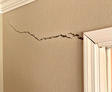
- Hairline Cracks – These are thin, surface-level cracks in concrete. They’re usually not a cause for concern, but keep an eye on them to see if they widen over time.
- Vertical Cracks – Running up and down walls or slabs, these cracks are often caused by natural settling. If they grow wider than 1/8 inch, it’s time for a professional inspection.
- Horizontal Cracks – Found in basement walls or foundation slabs, these can be a sign of pressure from shifting soil. A professional evaluation is needed to determine if structural damage is occurring.
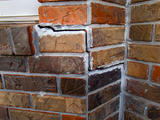
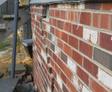
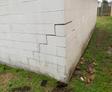
- Stair-Step Cracks – These cracks appear in brickwork or masonry in a zigzag pattern. They can indicate foundation movement and should be inspected by a specialist.
- Wide or Expanding Cracks – If a crack is growing larger over time, it’s a sign of a more serious foundation issue. Get an immediate professional evaluation to prevent further damage.
As you can see, it never hurts to have cracks in your home looked at by a professional. If you’re ever unsure about the cracks in your home, no worries; you can schedule a free inspection for an expert opinion.
Why Florida Homes Are at Higher Risk for Foundation Cracks
Florida’s climate and soil conditions create an environment where foundation cracks are more common. Here’s why:
- Sandy Soil & Expansive Clay: Florida’s soil shifts with moisture changes, causing foundations to settle unevenly.
- High Humidity & Heavy Rainfall: Moisture weakens concrete over time, increasing the likelihood of cracks.
- Sinkholes & Underground Erosion: Some areas in Florida are prone to underground voids, leading to foundation instability.
- Hurricanes & Storms: Intense rain and flooding can wash away soil, causing foundation movement. It helps to be prepared for these storms.
Foundation Cracks: When to Worry
Some cracks are purely cosmetic, while others can indicate structural failure. Here’s how you can tell if a crack may end up causing more serious issues:
- Cracks that grow wider over time
- Multiple cracks appearing in different areas
- Doors and windows sticking or not closing properly
- Sloping or uneven floors
- Gaps forming between walls and ceilings
- Water seepage or moisture buildup near cracks
If you notice any of these, don’t wait—foundation problems get worse (and more expensive) over time.
How to Identify Foundation Problems in Your Home
Identifying foundation issues early can save you time, money, and stress. Here are some steps homeowners can take to assess their foundation:

- Inspect Visible Areas: Regularly check your home’s exterior and interior for cracks in walls, floors, and the foundation itself. Use a flashlight to spot foundation issues in dimly lit areas like basements or crawl spaces.
- Test Windows and Doors: Open and close all windows and doors to ensure they aren’t sticking. If they are difficult to operate or have gaps forming around the frames, this could indicate shifting or settling of the foundation.
- Monitor Floors: Walk across your home’s floors and notice any sagging, sloping, or uneven areas. Use a level to confirm your observations.
- Look for Moisture Issues: Check for dampness, musty smells, or mold in your basement or crawl space. These can be signs of water seeping through foundation cracks.
- Note Structural Changes: Pay attention to leaning chimneys or bulging walls, which could point to serious foundation movement.
What Can You Do? Steps to Repair Foundation Cracks
Step 1: Monitor Cracks
Cracks usually don’t stay stagnant. As conditions change both outside and inside your home, they may grow. If a crack doesn’t look too serious yet, be sure to:
- Keep track of any cracks and note if they expand over time.
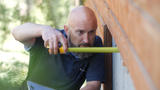
- Use a pencil or tape measure to track changes every few months.
Step 2: Address Moisture Problems
Rain, humidity, and flooding are all potential issues a homeowner in Florida can run into. Since water is one of the biggest causes of foundation cracks, it’s important to address it by:
- Ensuring proper drainage around your home to prevent soil erosion.
- Using dehumidifiers or vapor barriers in crawl spaces to control moisture.
Step 3: Get a Professional Inspection
Foundation cracks require a trained eye to tell if they’re truly a problem. Here’s why:
- A foundation expert can determine if your cracks are cosmetic or structural.
- Early detection means less invasive and more affordable repairs.
Step 4: Explore Repair Options
If you want to repair foundation cracks, here are your options:
- Crack Sealing: Prevents water intrusion and stabilizes minor cracks.
- Pier Systems: Foundation piers strengthen foundations that are settling or sinking.
- Waterproofing Solutions: Protects against moisture-related damage in a crawl space.
Not sure which solution is right for your home? Get a Free, No-Obligation Inspection.
Foundation Crack FAQs
Generally, homeowner’s insurance policies do not cover damage caused by “settling, cracking, or shrinking” of the foundation. However, if the foundation cracks were caused by a covered issue like a natural disaster, you might be eligible for coverage. It’s crucial to read your insurance policy carefully and consult with your insurance agent for specifics.
The duration of the repair process can vary depending on the extent of the damage, the methods used for repair, and weather conditions. Generally, foundation repair can be completed in a day or two, but more extensive damage might require a week or more. It’s best to consult with our specialists for an accurate timeline for your specific case.
Yes, Florida’s high humidity, frequent storms, and soil movement can accelerate foundation damage.
Protect Your Home – Get Expert Help Today
Foundation cracks won’t fix themselves, and delaying repairs can lead to costly structural damage. The earlier you take action, the easier and more affordable the fix. Schedule a free inspection today and let our foundation experts help you protect your Florida home.
Related Resources

Ted Dryce
Publish Date:
Last Modified Date:
Our Locations
1755 Benchmark Ave.
Fort Myers, FL 33905
309 NE 1st St.
Gainesville, FL 32601
55 North Industrial Loop
Orange Park, FL 32073
3200 W Copans Rd.
Pompano Beach, FL 33069
3723 Hogshead Rd
Apopka, FL 32703
66 Industrial Park Dr.
Monticello, FL 32344
1615 118th Ave. N
St. Petersburg, FL 33716
100 N Patterson St.
Valdosta, GA 31601
515 N Flagler Dr.
Ste. P-300
West Palm Beach, FL 33401